
When choosing a paving surface, asphalt and concrete are two of the most common materials. Both have unique advantages and disadvantages that impact their performance, cost, and longevity. This guide compares asphalt and concrete from the ground up to help you make the best choice for your project.
1. Sub-Base Preparation
Asphalt Sub-Base
Advantages:
- Requires a less rigid sub-base, making it easier and quicker to prepare.
- Provides flexibility to adapt to minor ground shifts.
- Installation costs are generally lower compared to concrete.
Disadvantages:
- Requires proper drainage to prevent water damage.
- Poorly compacted sub-bases can lead to cracking and potholes over time.
- Requires a thicker sub-base of typically 6″-8″ inches thick
- Most jobs use sand not stone for sub-base
Concrete Sub-Base
Advantages:
- Provides a strong, rigid foundation, reducing the likelihood of sinking or shifting.
- Supports heavier loads due to its structural integrity.
- Uses Stone for sub-base
Disadvantages:
- Requires a thicker base layer, increasing material and labor costs.
- More sensitive to soil conditions and moisture levels.
2. Installation Process
Asphalt Installation
Advantages:
- Faster installation time; ready for use within 24-48 hours.
- Easier to apply in multiple layers, allowing for adjustments over time.
- A more budget friendly option.
Disadvantages:
- Must be installed in warm temperatures for proper bonding.
- Requires rolling and compaction to achieve a smooth finish.
- With newer asphalt, asphalt may reheat in the sun making it softer and prone to tire scuffs, marks or indents even after job has been paved for a few months.
- When removing concrete and replacing with Asphalt the sub-base may needs to be redone making the cost close to the same price as for new concrete to be redone.
Concrete Installation
Advantages:
- Can be stamped or textured for a variety of finishes.
- Stronger surface that requires fewer structural repairs over time.
Disadvantages:
- Takes at least 7 days to fully cure, causing longer downtime.
- Requires skilled labor to ensure proper mixing, pouring, and finishing.
3. Performance and Longevity
Asphalt Durability
Advantages:
- More flexible, making it resistant to freeze-thaw cycles and minor ground movements.
- Easier and less expensive to repair; cracks and potholes can be filled quickly.
Disadvantages:
- Prone to softening in high temperatures, leading to ruts and depressions.
- Requires regular sealcoating to maintain integrity and appearance.
Concrete Longevity
Advantages:
- Lasts longer than asphalt, typically 30-50 years with proper maintenance.
- More resistant to heat, preventing surface deformation.
Disadvantages:
- Susceptible to cracking, especially in areas with frequent freeze-thaw cycles.
- Repairs are more costly and difficult, often requiring full slab replacement.
4. Cost Comparison
Asphalt:
- Lower initial cost, making it more budget-friendly.
- Higher maintenance requirements, including sealcoating and patching.
Concrete:
- Higher upfront cost due to materials and labor.
- Lower long-term maintenance costs, making it more economical over time.
5. Final Steps and Maintenance
Asphalt Maintenance
Advantages:
- Simple and cost-effective repairs with sealcoating and resurfacing.
- Surface can be restored without complete replacement.
Disadvantages:
- Requires periodic maintenance every 3-5 years to prevent deterioration.
- More susceptible to weathering and oxidation over time.
Concrete Maintenance
Advantages:
- Minimal maintenance needed compared to asphalt.
- Durable surface that withstands heavy loads and frequent traffic.
Disadvantages:
- Cracks and damage are harder and more expensive to repair.
- Expansion joints require regular inspection to prevent structural issues.
Disadvantages of Removing Concrete to Install Asphalt
While asphalt is a popular choice for paving, removing existing concrete to replace it with asphalt comes with several challenges:
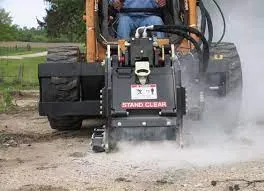
- High Initial Cost: The removal of concrete requires heavy machinery and labor, adding to the overall expense of the project.
- Base Preparation Issues: Concrete surfaces often have a different sub-base structure than what is ideal for asphalt typically sand or thinner stone, requiring additional preparation to ensure proper stability and drainage.
- Potential for Cracking: If the sub-base is not adequately prepared, the asphalt can crack or shift over time.
- Time-Consuming Process: Concrete removal and base preparation can extend project timelines, delaying completion and increasing costs.
Conclusion
Both asphalt and concrete have their strengths and weaknesses. If you need a cost-effective, flexible, and easy-to-repair surface, asphalt paving is the better choice. However, if you prioritize longevity, durability, and lower long-term maintenance, concrete is the ideal investment. Ultimately, your choice should be based on your specific project requirements, climate conditions, and budget.