Why Limestone Is Superior to Crushed Concrete in Asphalt and Sealcoating Projects
When it comes to choosing the best base material for asphalt paving, sealcoating, and other related projects, the debate between limestone and crushed concrete is common. While crushed concrete is often considered due to its cost-effectiveness, limestone stands out as a superior option for various reasons. Let’s dive into why limestone is the preferred choice for high-quality, durable asphalt and sealcoating applications.
1. Unmatched Strength and Durability
Limestone is a natural stone known for its exceptional strength and durability. Unlike crushed concrete, which is recycled and can contain impurities, limestone provides a pure and consistent composition. This uniformity translates into a stronger base layer, ensuring the longevity of your asphalt pavement. Whether you’re working on driveways, parking lots, or roadways, limestone delivers superior performance under heavy traffic and adverse weather conditions.
2. Better Compaction and Load-Bearing Capacity
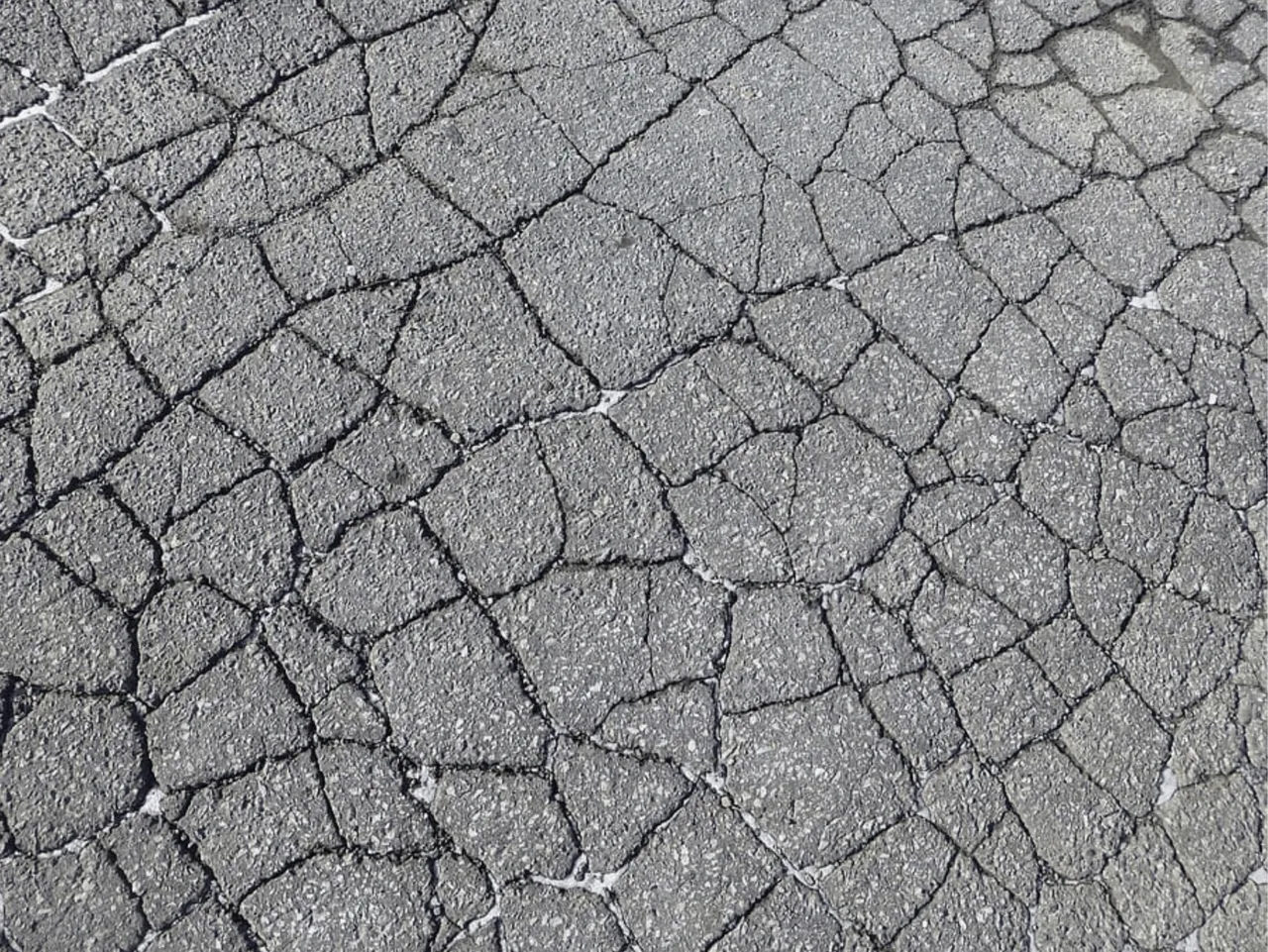
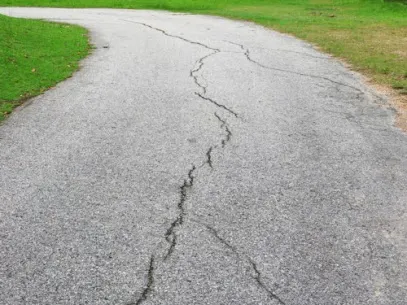
One of the most critical aspects of any asphalt project is the stability of the base material. Limestone’s particle shape and density allow for better compaction compared to crushed concrete. A well-compacted base reduces the risk of cracks, potholes, and other surface issues that can compromise the effectiveness of asphalt and sealcoating over time. The improved load-bearing capacity of limestone makes it ideal for projects requiring heavy-duty performance.
3. Resistance to Moisture and Erosion
Moisture resistance is crucial in the asphalt and sealcoating field, as water infiltration can weaken the pavement structure. Limestone’s natural composition helps it resist water absorption and erosion far better than crushed concrete. This feature is particularly important in areas prone to heavy rainfall or freeze-thaw cycles, as it ensures your asphalt surfaces remain stable and intact.
4. Enhanced Sealcoating Performance
A stable and durable base is essential for effective sealcoating. Sealcoating relies on a smooth, even surface to adhere properly and protect the underlying asphalt from UV rays, water, and chemicals. Limestone provides a consistent base that minimizes surface irregularities, ensuring optimal sealcoating performance. In contrast, crushed concrete’s inconsistent texture can lead to uneven sealcoating application and reduced protective benefits.
5. Aesthetic Appeal
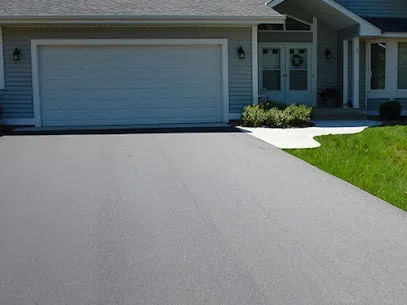
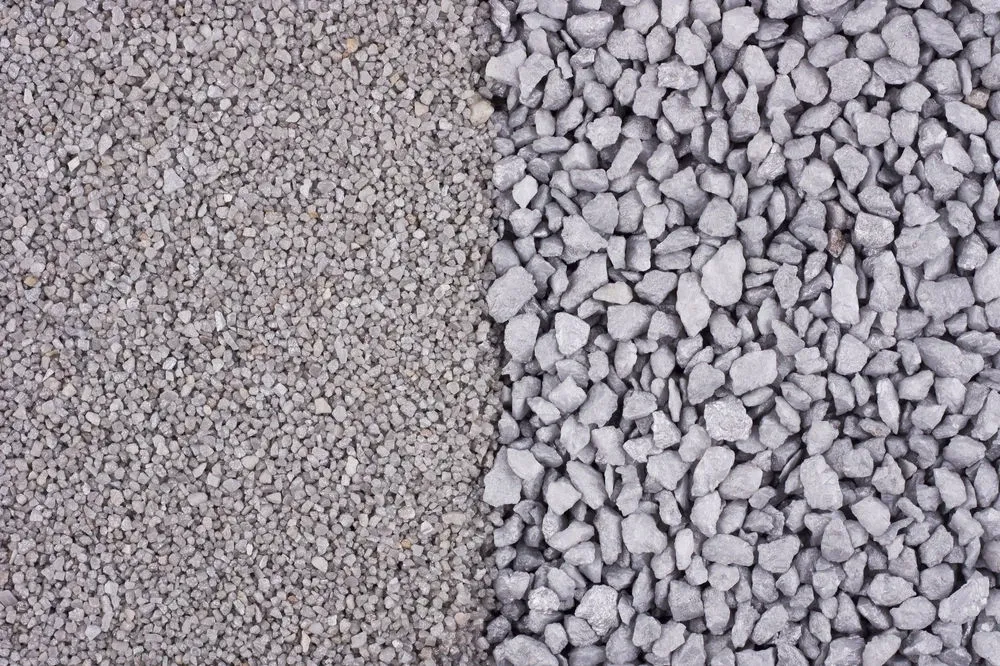
For projects where appearance matters, limestone offers a more visually appealing finish than crushed concrete. Its natural white or gray tones provide a clean and professional look, making it an excellent choice for residential driveways, commercial parking lots, and other high-visibility areas. Crushed concrete, with its recycled nature, often has a rough and inconsistent appearance that may detract from the overall aesthetic of the project.
6. Environmental Considerations
While crushed concrete is marketed as an eco-friendly option due to its recycled nature, limestone’s long-term performance makes it a sustainable choice. Limestone’s durability reduces the need for frequent repairs and replacements, saving resources over time. Additionally, limestone quarries are often managed to minimize environmental impact, ensuring a balance between resource extraction and ecological preservation.
7. Cost-Effectiveness in the Long Run
Although crushed concrete may have a lower upfront cost, its inferior performance often leads to higher maintenance and repair expenses. Limestone’s durability and stability result in fewer repairs, making it a cost-effective solution for asphalt paving and sealcoating projects over the long term. Investing in limestone ensures that your pavement withstands the test of time, providing better value for your money.
8. Consistency in Quality
Crushed concrete is derived from various sources, including demolished buildings and roads. This variability can lead to inconsistent material quality, which poses a risk in construction projects. Limestone, on the other hand, comes from reliable quarry sources, ensuring uniform quality and performance. Consistency is key in achieving a durable asphalt surface and a successful sealcoating application.
Conclusion
When choosing between limestone and crushed concrete for asphalt paving and sealcoating projects, limestone emerges as the clear winner. Its superior strength, durability, moisture resistance, and aesthetic appeal make it the ideal choice for creating long-lasting, high-performance pavement surfaces. While the initial cost of limestone may be higher, its long-term benefits far outweigh the savings from using crushed concrete. For professional results and peace of mind, trust limestone as the foundation of your next asphalt or sealcoating project.
At Baker Asphalt Inc., we specialize in delivering top-quality asphalt paving and sealcoating services tailored to your specific needs. Contact us today to learn how we can help you build durable, reliable, and visually stunning pavement solutions using the best materials available, including premium limestone!