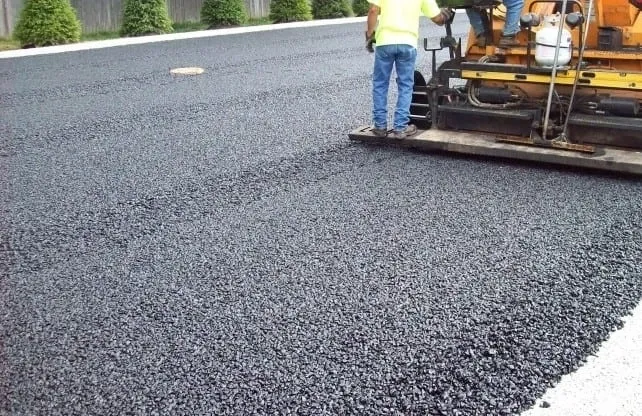
Asphalt paving is a highly efficient process that involves laying hot asphalt material through a specialized machine known as an asphalt paver. This equipment is essential for completing large-scale paving jobs with precision and speed, allowing contractors to lay thousands of tons of asphalt in a single day—far more than could be achieved manually.
The Role of the Asphalt Paving Machine
Asphalt paving machines are the backbone of large-scale asphalt projects. These machines are designed to handle massive volumes of hot asphalt, which is mixed and transported to the paving site in trucks. Once at the site, the asphalt paving machine lays down the material evenly and efficiently.
Compared to manual labor, where only a couple hundred tons can be paved in a day, asphalt paving machines are capable of laying thousands of tons. This makes them indispensable for high-demand projects, such as large roadways, highways, and parking lots.
How Does the Asphalt Paving Machine Work?
At the core of the asphalt paving process is the screed—the part of the paver that shapes the asphalt into a smooth, even layer. The screed is heated, either by electricity or propane, to ensure that the asphalt remains in a workable, pliable state as it is laid down.
The screed is adjustable and allows the paving width to be customized for the job. A typical asphalt paver can lay asphalt in widths ranging from 8 feet to 15 feet, with some larger pavers capable of laying even wider sections of pavement. Smaller pavers, such as the , are specialized for narrow applications like sidewalks and can pave as narrow as 4 feet.
The paving machine is also equipped with a hopper, which feeds the asphalt material into the machine, where it is spread evenly by the augers before the screed lays it down. The combination of these components ensures that the asphalt is spread evenly and at the proper thickness to create a smooth surface.
The Importance of Asphalt Paving Machines in Large Jobs
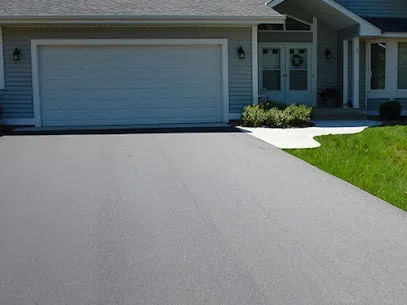
For large paving projects, such as highways, commercial parking lots, or large residential developments, using an asphalt paving machine is crucial. The precision and efficiency these machines offer save time and ensure the highest quality of the paved surface. Machines are able to lay large sections of asphalt quickly and with fewer inconsistencies compared to manual labor, where imperfections and unevenness are more common.
Additionally, the use of asphalt paving machines reduces labor costs and project timelines, allowing contractors to complete jobs faster and with less manual effort.
Cost of Asphalt Paving Machines
Asphalt paving machines are significant investments for any paving contractor. Depending on the size and capabilities, these machines can cost anywhere from $100,000 to over $1 million. The price varies depending on the model, features, and size of the machine. Larger machines designed for extensive paving jobs are typically more expensive, but they are essential for meeting the demands of high-volume paving projects.
Conclusion
Asphalt paving machines are vital tools for any paving company working on large-scale asphalt projects. These machines make it possible to lay large volumes of asphalt quickly, efficiently, and evenly, significantly improving the quality and speed of the work. With the ability to adjust the width and smoothness of the asphalt, paving machines ensure a high-quality finish, which is essential for creating durable and long-lasting asphalt surfaces.
Investing in an asphalt paving machine is a major decision for any contractor, but the efficiency, precision, and time-saving benefits they provide are well worth the cost for large projects.