What Are Sifted Asphalt Millings?
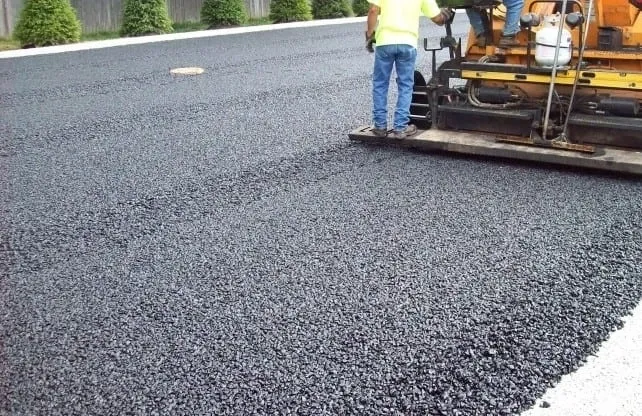
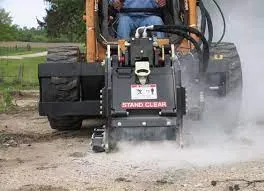
Sifted asphalt millings are produced when old asphalt surfaces are removed through the milling process. Large chunks of asphalt can break off during milling, creating uneven and coarse material. Sifting the millings removes these larger pieces, leaving behind a finer, sand-like texture that is easier to spread, compact, and level. This results in a smoother, more stable driveway surface with better compaction and less maintenance.
Crushed Asphalt vs. Sifted Millings
While both materials come from recycled asphalt, there are key differences:
- Crushed Asphalt:
Crushed asphalt is produced by grinding entire asphalt layers, including sub-base materials like stones. This process creates a mixed product with larger, uneven chunks that can be harder to spread evenly. - Sifted Millings:
Sifted millings are processed through a screening machine that removes oversized pieces. The result is a more uniform, finer material ideal for driveways, as it compacts easily and forms a stable surface.
Why Choose Sifted Asphalt Millings?
- Better Compaction: Finer millings create a denser surface with fewer air gaps, reducing erosion and water damage.
- Ease of Installation: The sand-like texture makes spreading and leveling easier, even for DIY projects.
- Eco-Friendly: Reusing asphalt reduces landfill waste and supports environmental sustainability.
- Cost-Effective: It’s a budget-friendly alternative to new asphalt with similar durability when properly installed and maintained.
Final Thoughts
Choosing sifted asphalt millings ensures a smoother, more durable surface with easier installation and longer-lasting results. It’s the perfect choice for residential driveways, parking lots, and rural roads.