1. Asphalt Resurfacing: A Cost-Effective Solution
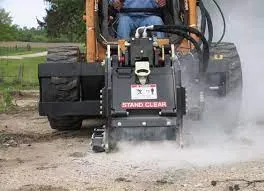
Asphalt resurfacing, also known as overlay paving, involves applying a fresh layer of asphalt on top of an existing surface. If your driveway or parking lot has small cracks, surface wear, or minor damage, resurfacing is a great cost-effective way to restore its appearance and functionality without the expense of complete replacement.
Benefits of Resurfacing:
- Less Expensive: Resurfacing is typically 30-50% less expensive than completely replacing your asphalt surface.
- Quick Installation: With resurfacing, you can expect a quicker turnaround, as it’s generally faster to apply a new layer over the existing surface.
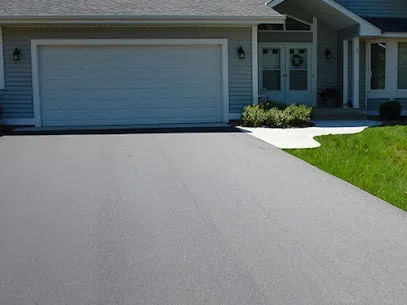
- Improved Aesthetics: It creates a smooth, fresh finish that enhances the curb appeal of your property.
- Extended Lifespan: A new layer of asphalt can extend the life of your driveway or parking lot by an additional 10-15 years with proper maintenance.
2. New Asphalt Paving: Starting Fresh
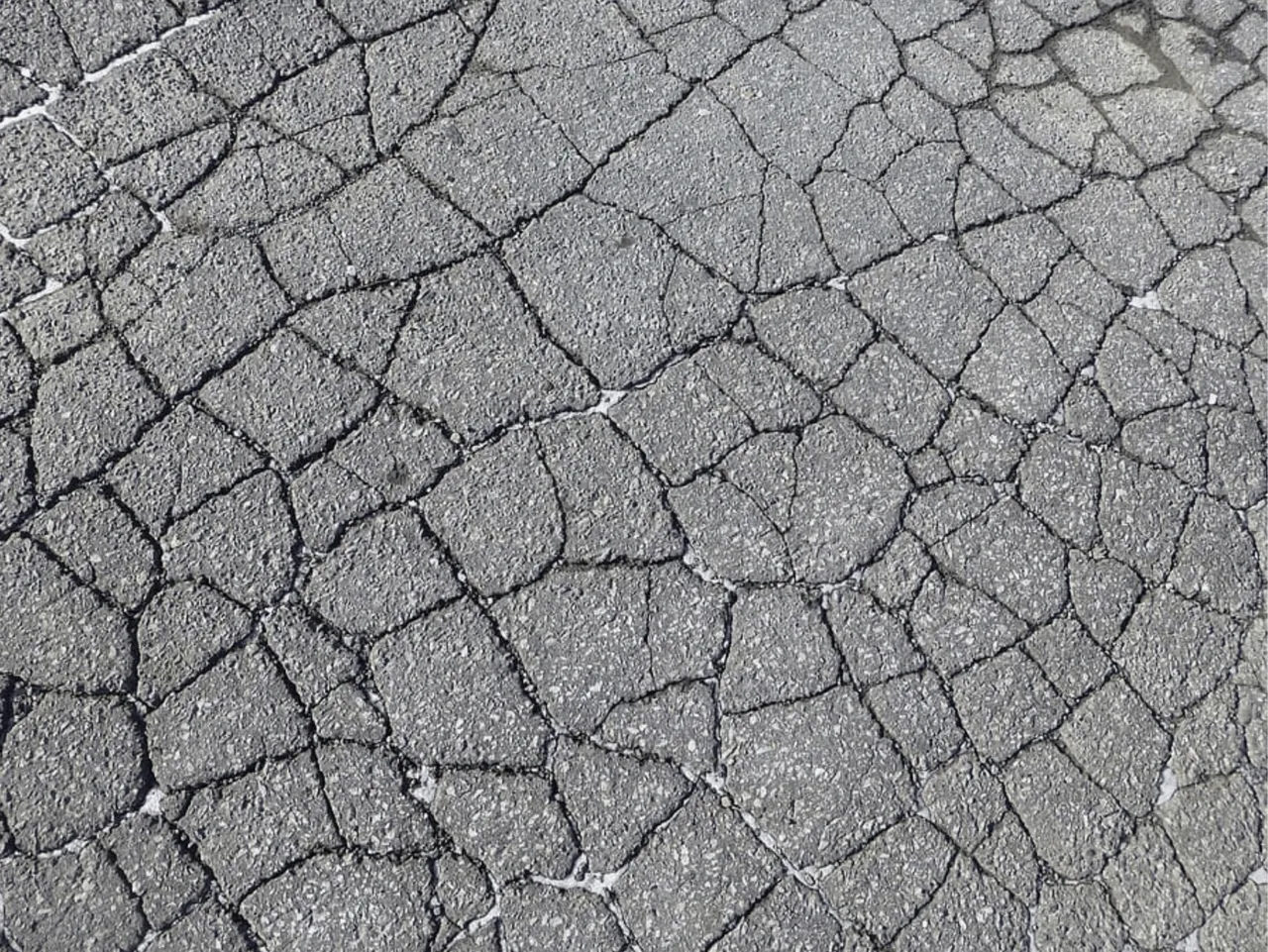
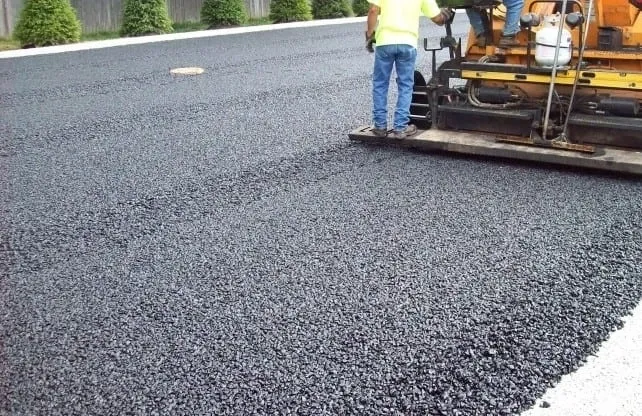
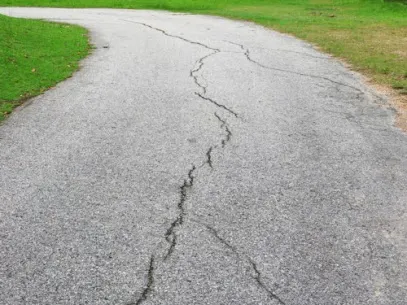
New asphalt paving is ideal for properties that don’t have an existing asphalt surface or where resurfacing would not be effective due to severe damage, such as large cracks, potholes, or extensive erosion. With new paving, you’ll get a completely fresh surface built from the ground up.
Benefits of New Paving:
- Durability: New asphalt provides a solid, long-lasting surface that can handle heavy traffic and environmental stresses.
- Customization: You can choose the specific thickness and design that suits your needs, from residential driveways to commercial parking lots.
- Long-Term Investment: A new asphalt driveway or parking lot can last 20 years or more with proper care and maintenance.
3. Choosing Between Resurfacing and New Paving
When deciding between resurfacing and new paving, there are several factors to consider:
- Condition of Your Existing Surface: If your existing asphalt is in good shape with only surface wear, resurfacing may be the best option. If there are significant cracks or structural damage, a new pavement installation might be necessary.
- Budget: Resurfacing is a more affordable option for those looking to upgrade their asphalt without the higher costs of full replacement. New paving, on the other hand, offers long-term benefits and durability, but it requires a larger investment upfront.
- Project Timeline: Resurfacing typically takes less time to complete, whereas new paving may require more time due to groundwork, grading, and base preparation.
4. The Importance of Sealcoating for Both Options
Whether you choose resurfacing or new asphalt paving, sealcoating is a crucial maintenance step. Sealcoating protects your asphalt surface from the damaging effects of UV rays, water, oil, and weathering. By applying a layer of sealant, you can extend the life of your asphalt and keep it looking new for years to come.
Key Benefits of Sealcoating:
- Protects Against Damage: Sealcoating prevents moisture from penetrating and causing cracks or potholes.
- Improves Aesthetics: It gives your asphalt a rich, black appearance and smooth texture.
- Increases Durability: Regular sealcoating can double the lifespan of your asphalt surface.
5. Consider Professional Help
When choosing between resurfacing or new paving, it’s essential to consult with an experienced asphalt contractor. A professional can assess the condition of your existing surface, recommend the best option, and ensure proper installation or resurfacing to achieve the best results.
Conclusion
Whether you opt for resurfacing or new asphalt paving, both options offer a durable and cost-effective solution for your paving needs. With proper maintenance, including regular sealcoating and crack sealing, your asphalt surface can last for decades while maintaining its functionality and curb appeal. Consult with an expert to help determine the best option for your project, and get started on enhancing your driveway or parking lot today.