Having an asphalt driveway can be a great addition to your home, offering smooth surfaces and long-lasting durability. However, like all outdoor structures, it requires proper care to maintain its appearance and functionality over time. With just a little asphalt driveway maintenance, you can extend the life of your driveway, saving you money on repairs or replacement in the future.
In this blog, we will share easy and effective ways you can care for your asphalt driveway. These simple steps will help protect your driveway from wear and tear and keep it looking great for many years to come.
Understanding Asphalt Driveway Maintenance
Before diving into the steps you can take to extend the life of your asphalt driveway, it’s important to understand what asphalt driveway maintenance involves. Asphalt driveways are exposed to various elements, such as rain, snow, sun, and heavy traffic. Over time, these conditions can cause cracks, fading, and damage to the surface.
Proper maintenance can prevent these issues and keep your asphalt driveway looking fresh. You’ll need to keep an eye out for small problems before they turn into costly repairs. Regular cleaning, sealing, and repairing are key components of asphalt driveway maintenance.
Keep Your Driveway Clean and Free of Debris
One of the simplest and most effective ways to maintain your asphalt driveway is by keeping it clean. Debris such as leaves, dirt, and twigs can collect on the surface and cause problems if not removed regularly. Over time, this debris can trap moisture, which can weaken the asphalt and lead to cracks or erosion.
It’s important to sweep or hose off your driveway regularly to keep it free of debris. A leaf blower can also be an excellent tool for quickly clearing away leaves, grass clippings, or other debris. By keeping the surface clean, you’re preventing any unnecessary buildup that could lead to problems down the road.
Seal Your Asphalt Driveway
Sealing your asphalt driveway is one of the best ways to protect it from the elements and extend its lifespan. Sealing acts as a protective layer that helps to block out moisture, dirt, and UV rays. This layer also prevents cracks from forming and helps prevent oils or chemicals, like gas and oil, from damaging the surface.
It’s recommended to seal your asphalt driveway every 2 to 3 years, depending on the weather conditions in your area. If you live in a region with harsh winters, you may need to seal it more frequently. Sealing the driveway can be a DIY project, but if you’re not comfortable with the task, you can always hire a commercial asphalt maintenance company to handle it for you.
Fix Cracks as Soon as You Notice Them
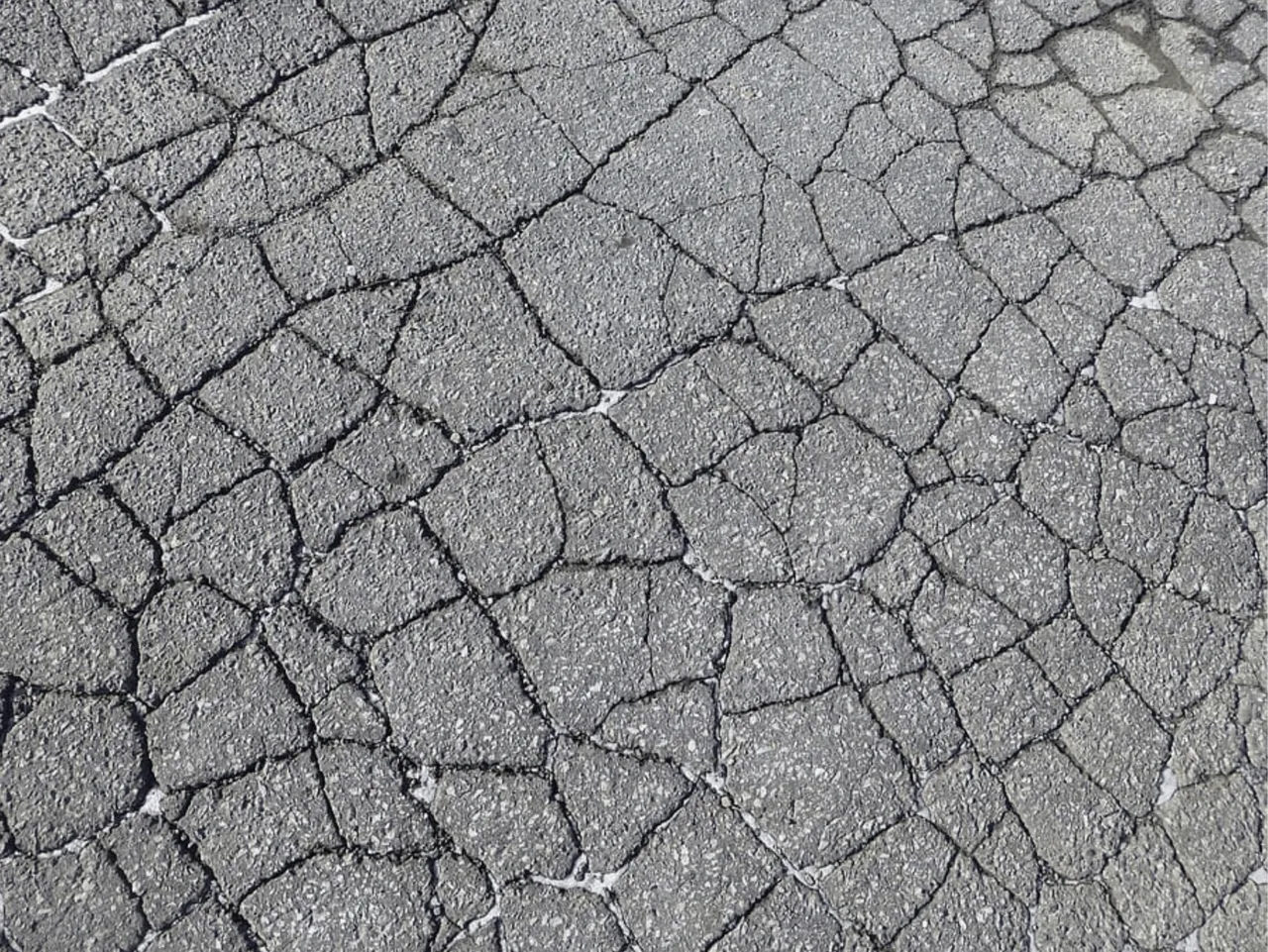
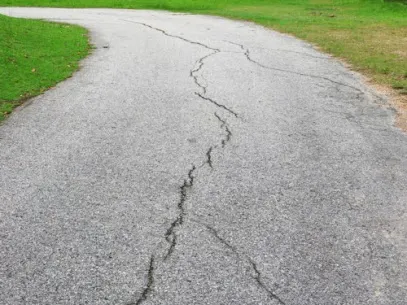
Cracks are one of the most common issues with asphalt driveways. They can form due to heavy traffic, weather changes, or simply the natural aging process. If left unattended, small cracks can worsen over time, leading to bigger and more expensive repairs.
As soon as you notice any cracks in your driveway, it’s essential to address them right away. You can use crack filler products available at your local hardware store, or if the cracks are larger or more extensive, you may need to contact a commercial asphalt maintenance company to do the job professionally.
By fixing cracks early, you’re preventing water from seeping into the underlying layers of asphalt, which can cause further damage and create potholes.
Avoid Parking Heavy Vehicles on the Driveway
While asphalt is a durable material, it can only handle so much weight. Parking large trucks, RVs, or other heavy vehicles on your driveway regularly can cause the asphalt to crack and degrade over time. The constant weight can also lead to depressions in the surface.
If possible, try to avoid parking heavy vehicles on your driveway, or limit the amount of time they spend there. If you need to park large vehicles regularly, consider creating a designated area with stronger materials, like gravel or concrete, to avoid causing damage to your asphalt driveway.
Prevent Oil and Gas Leaks
Another tip for asphalt driveway maintenance is preventing oil and gas leaks from damaging the surface. If you have a vehicle that is prone to leaking oil or gas, these fluids can cause significant damage to your asphalt driveway. Oil and gas can break down the asphalt over time, causing it to soften, crack, and deteriorate.
To avoid this, regularly inspect your vehicles for leaks and address any issues immediately. You can also use mats or pads to catch any fluids that may leak out. If you do notice any stains, clean them up promptly with a degreaser to prevent them from damaging the surface.
Maintain Proper Drainage
Good drainage is crucial for asphalt driveway maintenance. Water is one of the biggest threats to asphalt, especially when it gets trapped in cracks or low-lying areas. When water seeps into the asphalt, it can freeze during winter, expand, and cause the surface to crack or break apart.
To ensure proper drainage, regularly check your driveway for areas where water tends to pool. If you notice any spots where water doesn’t flow off properly, you may need to make some adjustments. This could involve regarding certain areas, clearing blocked drainage systems, or installing additional drains to help water flow away from the driveway.
Take Care of Your Driveway in the Winter
Winter can be harsh on your asphalt driveway, especially if you live in an area with freezing temperatures and snow. When snow and ice build up on the surface, it can lead to cracking, potholes, and other damage. Additionally, the chemicals used for de-icing can break down the surface of your asphalt over time.
To protect your driveway in the winter, shovel snow off the surface as soon as possible, and avoid using harsh chemicals like salt. Instead, opt for sand or a less damaging de-icer. If you live in an area with frequent snow, consider investing in a snow blower or plow to make the process easier and faster.
Recoat Your Driveway Every Few Years
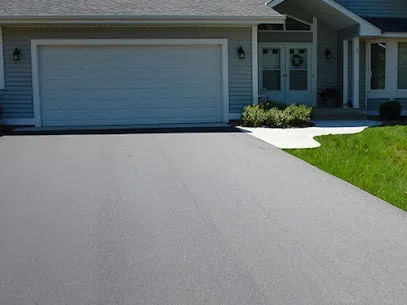
Asphalt driveways can start to look faded and worn over time due to exposure to the sun and weather. Recoating your driveway with a fresh layer of sealant can restore its appearance and provide additional protection.
Recoating your driveway every few years is a great way to extend its life and keep it looking new. Depending on your location and climate, you may want to recoat more frequently. If you’re unsure about when it’s time to recoat, consult a commercial asphalt maintenance company to assess the condition of your driveway and recommend the best course of action.
Hire a Professional for Routine Maintenance
If you want to ensure that your driveway is receiving the best care possible, consider hiring a commercial asphalt maintenance company to handle your asphalt driveway maintenance. Professionals have the experience and tools necessary to perform regular inspections, repairs, and maintenance tasks that can keep your driveway in excellent condition.
By scheduling regular checkups with a professional, you can catch potential issues early before they become expensive problems. A commercial asphalt maintenance company can also provide expert advice on the best ways to maintain your driveway based on your location, weather conditions, and usage.
Keep your driveway in top condition!
Taking care of your asphalt driveway doesn’t have to be complicated. With a little bit of effort and regular maintenance, you can ensure that your driveway lasts for many years to come. Simple tasks like cleaning, sealing, fixing cracks, and addressing drainage issues can make a big difference in the longevity of your asphalt driveway.
By following these tips, you’ll not only extend the life of your driveway but also save money on costly repairs and replacements down the road. Whether you decide to handle the maintenance yourself or hire a commercial asphalt maintenance company for professional assistance, taking proactive steps will keep your driveway in top shape for years to come.
FAQs (Frequently Asked Questions)
1. How often should I seal my asphalt driveway?
You should seal your asphalt driveway every 2 to 3 years to protect it from the elements and extend its lifespan. If you live in an area with harsh winters, you may need to reseal more frequently to prevent damage from freezing and thawing.
2. What should I do if I notice cracks in my asphalt driveway?
If you notice cracks, it’s important to address them as soon as possible. You can use crack filler to seal small cracks yourself, or contact a commercial asphalt maintenance company for more extensive damage. Early repairs help prevent water from seeping in and causing further damage.
3. Can I park heavy vehicles on my asphalt driveway?
It’s best to avoid parking heavy vehicles, such as large trucks or RVs, on your asphalt driveway for long periods. The weight of these vehicles can cause the asphalt to crack and deteriorate over time. If you need to park heavy vehicles, consider using a reinforced area or another surface.
4. How can I prevent oil stains from damaging my asphalt driveway?
To prevent oil stains, regularly check your vehicles for leaks and fix them promptly. If oil spills on your driveway, clean it up immediately using a degreaser or an absorbent material. Promptly cleaning oil spills will help prevent long-term damage to the asphalt surface.
5. Is it necessary to hire a professional for asphalt driveway maintenance?
While some basic maintenance tasks can be handled yourself, hiring a professional commercial asphalt maintenance company is recommended for more thorough inspections and repairs. Professionals have the expertise to detect issues early and handle major repairs, ensuring the longevity of your driveway.
6. What is the best way to remove snow and ice from my asphalt driveway in winter?
Use a shovel, snow blower, or plow to remove snow as soon as possible. Avoid using salt, as it can damage the surface of your asphalt driveway. Instead, use sand or a gentler de-icing product to help prevent ice buildup without harming the asphalt.