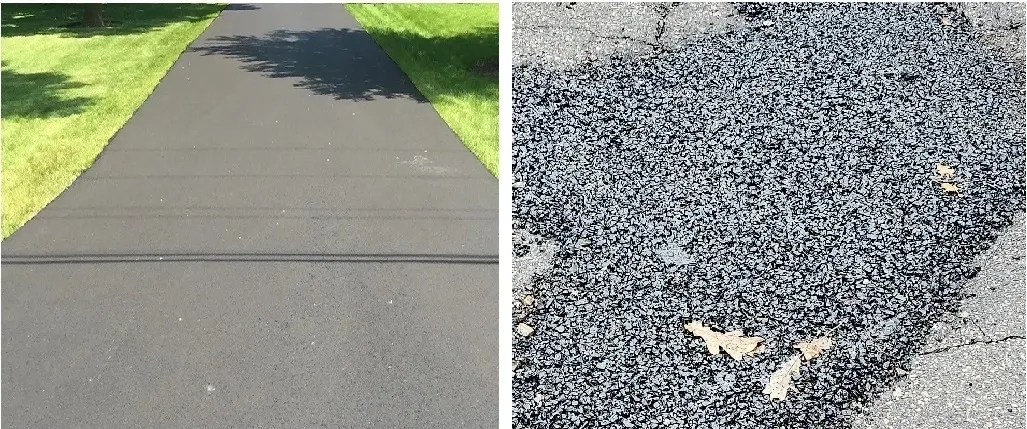
When it comes to asphalt paving and repairs, two common options are hot asphalt and cold patch. Each has its own advantages and is suited for different applications. Whether you’re working on a major road construction project or a small driveway repair, understanding the differences between these two materials can help you make the best choice.
What Is Hot Asphalt?
Hot asphalt, also known as hot mix asphalt (HMA), is a mixture of asphalt, aggregate (stone, sand, and gravel), and fillers that are heated and mixed at high temperatures, usually between 300-350°F. This material is primarily used for large-scale paving projects such as highways, roads, and parking lots.
Advantages of Hot Asphalt:
- Durability: Hot asphalt creates a strong, long-lasting surface capable of withstanding heavy traffic and weather conditions.
- Seamless Repairs: It bonds well with existing pavement, preventing water penetration and minimizing cracks.
- Professional Finish: It provides a smooth, polished surface ideal for high-traffic areas.
Disadvantages of Hot Asphalt:
- Requires Special Equipment: Hot asphalt needs to be applied while hot, requiring specialized machinery and skilled professionals.
- Limited Application Time: Because it must remain hot to be workable, there is a limited window for installation.
- Weather Dependent: It is best applied in warm, dry conditions, making it less ideal for winter repairs.
- Reheats in hot weather: After the asphalt is paved and rolled the hot asphalt takes a minimum of a year to fully cure, can get tire marks or indents form things sinking in the asphalt on hot days.
What Is Cold Patch Asphalt?
Cold patch asphalt is a pre-mixed, ready-to-use material that does not require heating. It is commonly used for minor pothole repairs, cracks, and small patchwork on roads and driveways.
Advantages of Cold Patch Asphalt:
- Easy to Use: Cold patch asphalt can be applied with minimal equipment and does not require professional installation.
- All-Weather Application: Unlike hot asphalt, cold patch can be applied in any weather, even during winter.
- Immediate Accessibility: Repairs can be driven on almost immediately after application.
Disadvantages of Cold Patch Asphalt:
- Less Durable: Cold patch is not as strong as hot asphalt and is typically considered a temporary fix.
- Loose Bonding: It does not bond as well to existing pavement, leading to a shorter lifespan and possible reapplications.
- Not Suitable for Large Projects: Cold patch is best for minor repairs and is not ideal for resurfacing or major roadwork.
Which One Should You Choose?
- For large-scale paving projects or long-term road repairs, hot asphalt is the best choice due to its durability and professional finish.
- For quick, temporary fixes or emergency repairs in cold or wet conditions, cold patch asphalt is a convenient solution.
Both hot asphalt and cold patch play essential roles in asphalt maintenance and repair. Understanding their differences allows homeowners, businesses, and asphalt companies to choose the right material for their specific needs.