Asphalt is the backbone of many commercial and residential spaces, from driveways to parking lots. While it is a durable and versatile material, maintaining its integrity and appearance requires regular care. This guide will walk you through the best practices for asphalt maintenance, ensuring longevity and cost-effectiveness.
Why Is Asphalt Maintenance Important?
Asphalt surfaces endure constant exposure to the elements and heavy traffic. Without proper maintenance, cracks, potholes, and discoloration can occur, leading to expensive repairs or replacements. Regular upkeep helps prevent these issues, maintains aesthetic appeal, and enhances safety.
How to Identify Common Asphalt Problems?
1. Cracks
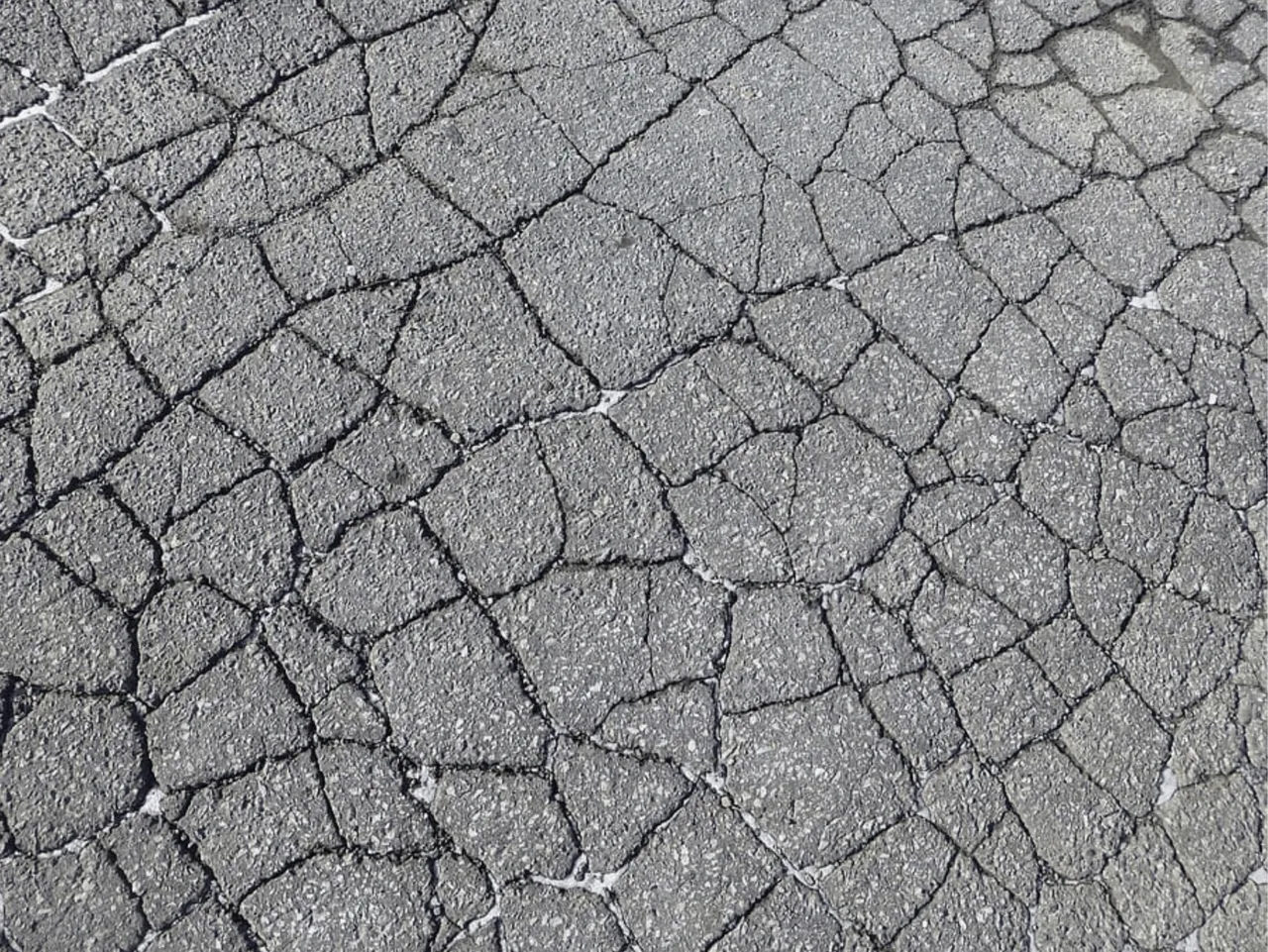
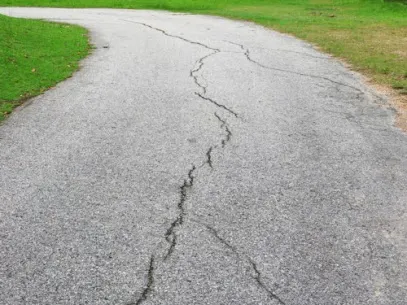
Cracks are a common issue caused by temperature fluctuations, water infiltration, and heavy loads. Small cracks can expand over time if not addressed promptly.
2. Potholes
Potholes form when water seeps into cracks, freezes, and expands, causing the asphalt to break apart. They are not only unsightly but also a safety hazard.
3. Fading Color
UV rays and weathering can cause asphalt to lose its rich black color, making it look aged and worn out.
4. Drainage Issues
Improper drainage can lead to water pooling, which accelerates asphalt deterioration.
Best Practices for Asphalt Maintenance
1. Regular Inspections
Conduct visual inspections every few months to catch early signs of wear and tear. Look for cracks, potholes, and areas with standing water.
2. Sealcoating
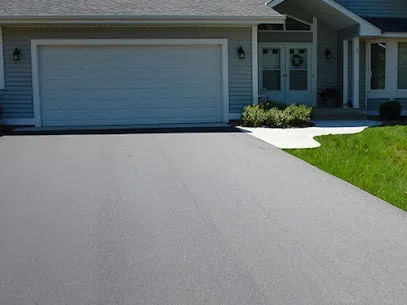
Sealcoating is a protective layer applied to asphalt surfaces. It helps prevent water infiltration, UV damage, and oxidation, extending the life of your asphalt.
Benefits of Sealcoating:
- Restores the rich black color of asphalt.
- Protects against harmful chemicals like oil and gasoline.
- Enhances surface durability.
3. Crack Filling
Filling small cracks promptly prevents them from expanding and turning into potholes. Use a high-quality crack filler for the best results.
4. Proper Drainage
Ensure that your asphalt surface has a proper slope to facilitate water runoff. Install drains if necessary to prevent water pooling.
5. Timely Repairs
Address potholes and other damages immediately to prevent them from worsening. Use cold or hot patch repair methods depending on the severity of the damage.
6. Cleaning and Sweeping
Keep your asphalt surface clean by sweeping away debris and washing off chemical spills promptly. This prevents staining and deterioration.
7. Avoid Overloading
Heavy vehicles can cause stress on asphalt surfaces, leading to cracks and potholes. Distribute weight evenly and avoid overloading specific areas.
Frequently Asked Questions (FAQs)
1. How often should I sealcoat my asphalt?
Sealcoating should be done every 2-3 years, depending on the level of wear and tear and local weather conditions.
2. Can I repair asphalt cracks myself?
Yes, small cracks can be repaired using DIY crack fillers available at hardware stores. For larger damages, it’s best to hire professionals.
3. What is the best time of year for asphalt maintenance?
Spring and early fall are ideal for asphalt maintenance as the weather is moderate, which helps materials set and cure properly.
4. How can I prevent potholes?
Regular crack filling and sealcoating, along with proper drainage, can significantly reduce the likelihood of pothole formation.
5. Is sealcoating eco-friendly?
Modern sealcoating products are designed to be environmentally friendly. Check labels for eco-certifications to ensure you’re using a safe product.
Conclusion
Maintaining your asphalt surface not only enhances its durability but also adds to the overall value and appearance of your property. With consistent care and attention, you can avoid costly repairs and keep your asphalt looking and performing its best for years to come. Whether it’s a residential driveway or a commercial parking lot, these best practices will serve as your roadmap for long-lasting, high-quality asphalt surfaces.