Asphalt is a popular and durable material for driveways, parking lots, and roads, offering smooth surfaces and long-lasting performance. However, like all outdoor materials, asphalt is not invincible. Over time, exposure to the elements—such as sun, rain, snow, and freezing temperatures—can cause significant damage. This is where sealcoating comes into play. Sealcoating is a vital maintenance step that can protect your asphalt surfaces and significantly extend their lifespan.
In this blog, we’ll explore why sealcoating is so important and how it can help you protect your asphalt investment.
What is Sealcoating?
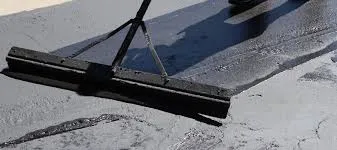
Sealcoating is the process of applying a protective layer of liquid asphalt to the surface of existing asphalt. This coating acts as a barrier between your asphalt and the harmful elements it faces on a daily basis. It’s typically applied every few years, depending on the wear and tear of the surface. Sealcoating not only enhances the appearance of your asphalt but also adds an extra layer of protection to keep it in good condition for longer.
Why is Sealcoating Important for Asphalt?
- Protection from Weathering and UV Damage
Asphalt is highly susceptible to damage from the sun’s ultraviolet (UV) rays. Over time, these rays cause the asphalt to oxidize, leading to brittleness and cracks. Sealcoating helps protect the asphalt by providing a shield that blocks UV rays, preventing oxidation and reducing the chances of premature aging.
Additionally, extreme weather conditions, such as heavy rain, snow, and ice, can erode the surface of your asphalt. Sealcoating forms a waterproof barrier that helps prevent water from seeping into cracks, which can lead to further damage, such as potholes and cracks that expand over time.
- Prevents Cracking and Potholes
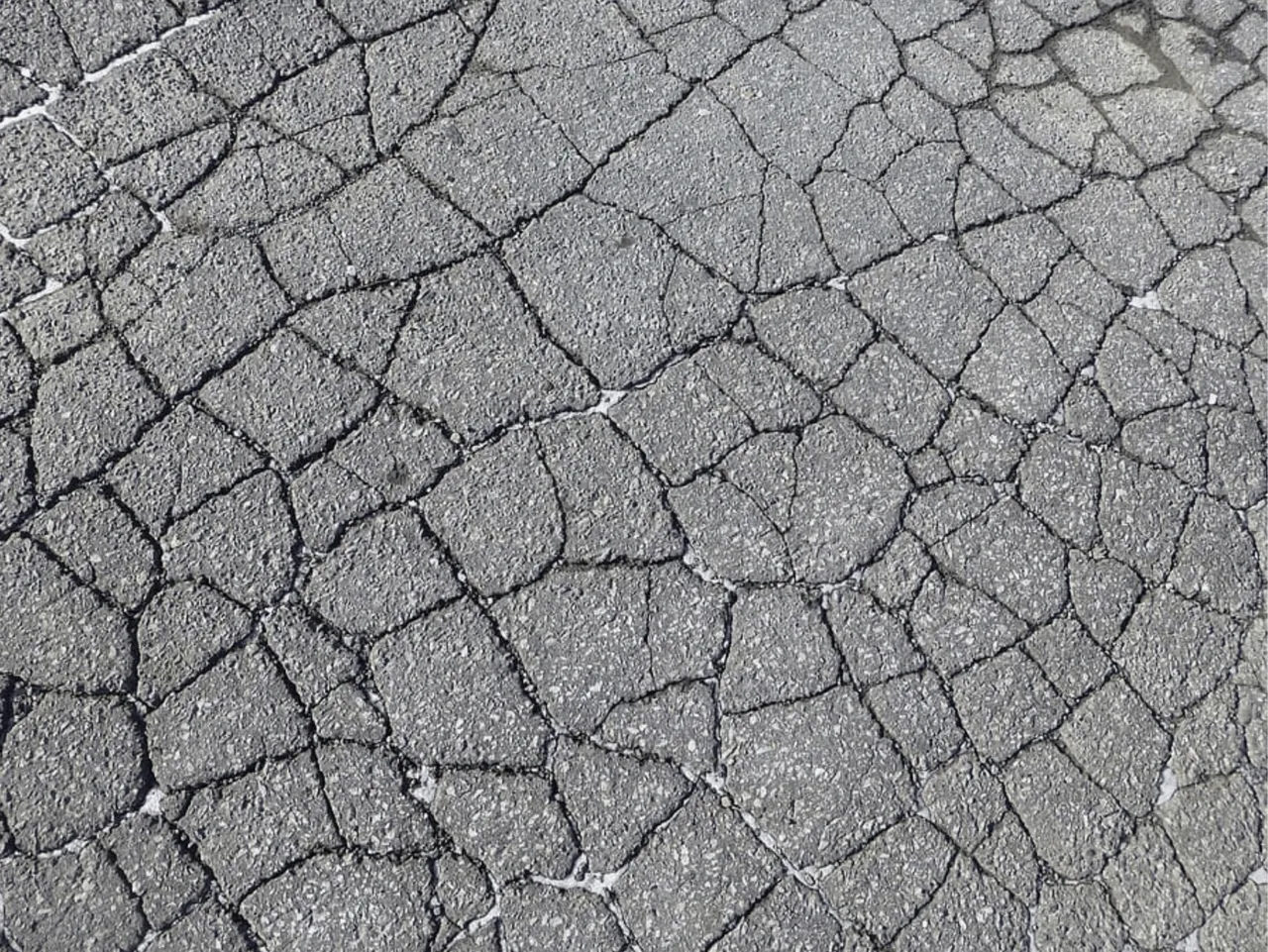
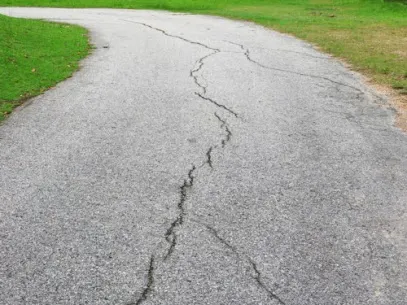
Cracks are one of the most common issues faced by asphalt surfaces. They start small but can quickly grow larger if not addressed. Water, dirt, and debris get trapped in cracks, which then freeze in the winter and cause further damage to the asphalt. Sealcoating helps prevent this by filling minor imperfections and creating a smooth, protective layer that resists cracks from forming in the first place.
By sealing the surface, sealcoating also helps prevent the development of potholes. Potholes occur when moisture seeps beneath the surface of the asphalt and causes the base to weaken. Sealcoating creates a protective layer that keeps water from penetrating the surface, reducing the likelihood of potholes forming.
- Improved Aesthetic Appeal
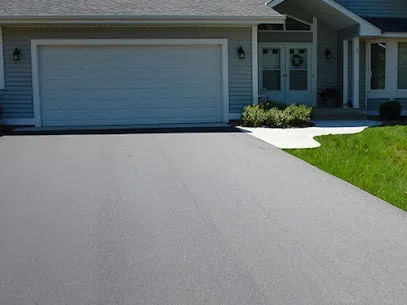
A well-maintained asphalt surface looks much better than one that has faded, cracked, or become stained. Sealcoating restores the dark, rich appearance of your asphalt, giving it a fresh, smooth finish. Not only does this improve the look of your driveway or parking lot, but it can also increase the curb appeal of your home or business.
- Increased Longevity
One of the biggest advantages of sealcoating is the extended lifespan it provides for your asphalt surfaces. Without proper protection, your asphalt can deteriorate much more quickly, leading to costly repairs and replacements. Sealcoating helps to maintain the structural integrity of your asphalt, meaning you’ll spend less money on expensive repairs or repaving in the long run.
A regular sealcoating schedule—typically every two to three years—can double the lifespan of your asphalt, protecting your investment for years to come.
- Cost-Effective Maintenance
Sealcoating is an affordable and cost-effective way to maintain your asphalt surfaces. Compared to the cost of resurfacing or replacing damaged asphalt, sealcoating is a much more budget-friendly option. When you regularly apply a coat of sealant, you can avoid major repairs down the road, saving you significant amounts of money.
When Should You Sealcoat Your Asphalt?
The timing of sealcoating depends on a few factors, such as the age of your asphalt, the climate in your area, and the amount of traffic your asphalt surface endures. Generally, it’s recommended to sealcoat asphalt every two to three years to keep it protected.
If you notice any cracks, fading, or surface damage, it’s a good idea to sealcoat sooner rather than later to prevent the damage from worsening.
How is Sealcoating Applied?
Sealcoating is a straightforward process, but it requires the right materials and techniques for optimal results. Here’s an overview of the process:
- Surface Preparation: The asphalt surface is thoroughly cleaned, removing debris, dirt, and oil stains.
- Crack Filling: Any existing cracks are filled to ensure a smooth and even application.
- Sealcoat Application: The sealcoat material is applied to the asphalt surface, typically using a sprayer or squeegee to ensure even coverage.
- Drying Time: After application, the surface needs time to dry, typically 24-48 hours, depending on weather conditions.
It’s always best to leave the sealcoating to professionals to ensure that it’s done properly and that the right materials are used.
Conclusion
Sealcoating is an essential step in maintaining the longevity and integrity of your asphalt surfaces. Whether it’s your home driveway or a large commercial parking lot, sealcoating provides a protective barrier against weathering, cracking, and potholes, helping your asphalt stay in top condition for years. With the added benefits of improved aesthetics and cost savings on repairs, sealcoating is a smart investment that will protect your asphalt and increase its lifespan.
If you haven’t sealcoated your asphalt recently, it might be time to schedule a service. Protect your investment and enjoy a smooth, durable surface for years to come. Reach out to a trusted asphalt contractor today for a professional consultation and estimate!